
DTG Printing
Premium, precise and high-resolution. DTG (Direct-to-Garment) printing prints directly onto fabric, which makes it the right choice for intricate designs, logos and photographic artwork — on t-shirts, hoodies or promotional merchandise, in small runs with quick turnaround.
- 50
- Piece minimum order
- 7–10
- Days at our fastest
- Full
- Colour, no screens needed
- Soft
- Ink sits in the fabric
What is DTG printing?
DTG machines work much like an office printer, with the difference that they print onto fabric instead of paper. The design is printed directly onto the garment using specialised inkjet technology. Unlike screen printing, DTG produces complex, full-colour images without stencils or screens. The inks are absorbed into the fabric, creating vibrant, long-lasting designs that stay soft to the touch.
This suits custom orders that need high-resolution artwork and fine detail at low quantities. It is done primarily on cotton-based or linen fabrics in lighter shades. Every print is checked in our own unit in Lahore, so team and brand apparel comes back with a professional finish.
DTG compared with the other four methods
| DTG | DTF | Screen printing | Sublimation | |
|---|---|---|---|---|
| How it works | Printed straight onto the garment | Printed to film, heat-pressed on | Ink pushed through a stencil, one screen per colour | Dye turned to gas, bonded into the fibre |
| Fabrics | Best on cotton and linen | Cotton, polyester, blends, any colour | Most fabrics, ink chosen to suit | Polyester only, light colours only |
| Dark garments | Lighter shades work best | Yes | Yes | No |
| Full colour | Unlimited | Unlimited | Harder — a screen per colour | Unlimited |
| Setup | Minimal | Minimal | Significant | Moderate |
| Best for | Photographic detail on cotton, small runs | Detail and bright colour across fabric types | Large volumes at low cost per piece | All-over prints on synthetics |
| Feel on the garment | Soft, sits in the fabric | Slight raised layer | Layer of ink you can feel | None — dyed into the cloth |
DTG vs. DTF printing
Both are popular custom printing methods, but they differ in process and application. DTG prints designs directly onto fabric, which suits detailed, full-colour work and gives a soft print that keeps the fabric flexible. DTF prints a design onto a special film, which is then transferred to fabric using heat and pressure.
DTF is more versatile across fabric types, including polyester, blends and darker fabrics, while DTG is best for highly detailed, small-run designs on natural fabrics like cotton and linen. DTF offers better durability and affordability for multi-design prints, which makes it well suited to larger runs across a wider variety of fabrics.
DTG vs. screen printing
These are two of the most popular methods for custom apparel, and they serve different purposes. Screen printing creates stencils and applies layers of ink onto fabric, which suits large, solid-colour designs and bulk orders. It is cost-effective for mass production, but requires significant setup and is less flexible with intricate detail or colour gradients.
DTG prints high-resolution, full-colour designs directly onto garments, which suits smaller runs and complex, multi-coloured work. Without stencils there is more design flexibility and a quicker turnaround. DTG is best for detailed, custom designs; screen printing excels at large volumes with simpler ones.
DTG vs. sublimation printing
Both produce vibrant, full-colour prints, but they differ in application and fabric compatibility. DTG prints ink directly onto fabric, which suits cotton garments like t-shirts and hoodies. It gives detailed designs with excellent colour accuracy, and because the print is absorbed into the fabric it stays soft. Sublimation turns dye into gas and bonds it with polyester fibres, which suits polyester and light-coloured garments and gives bright, all-over prints that will not crack or fade.
DTG is versatile across fabric types and works well on cotton. Sublimation excels with synthetic materials and is more durable on polyester, which makes it the better choice for sportswear and performance gear.
Choose a garment for DTG printing
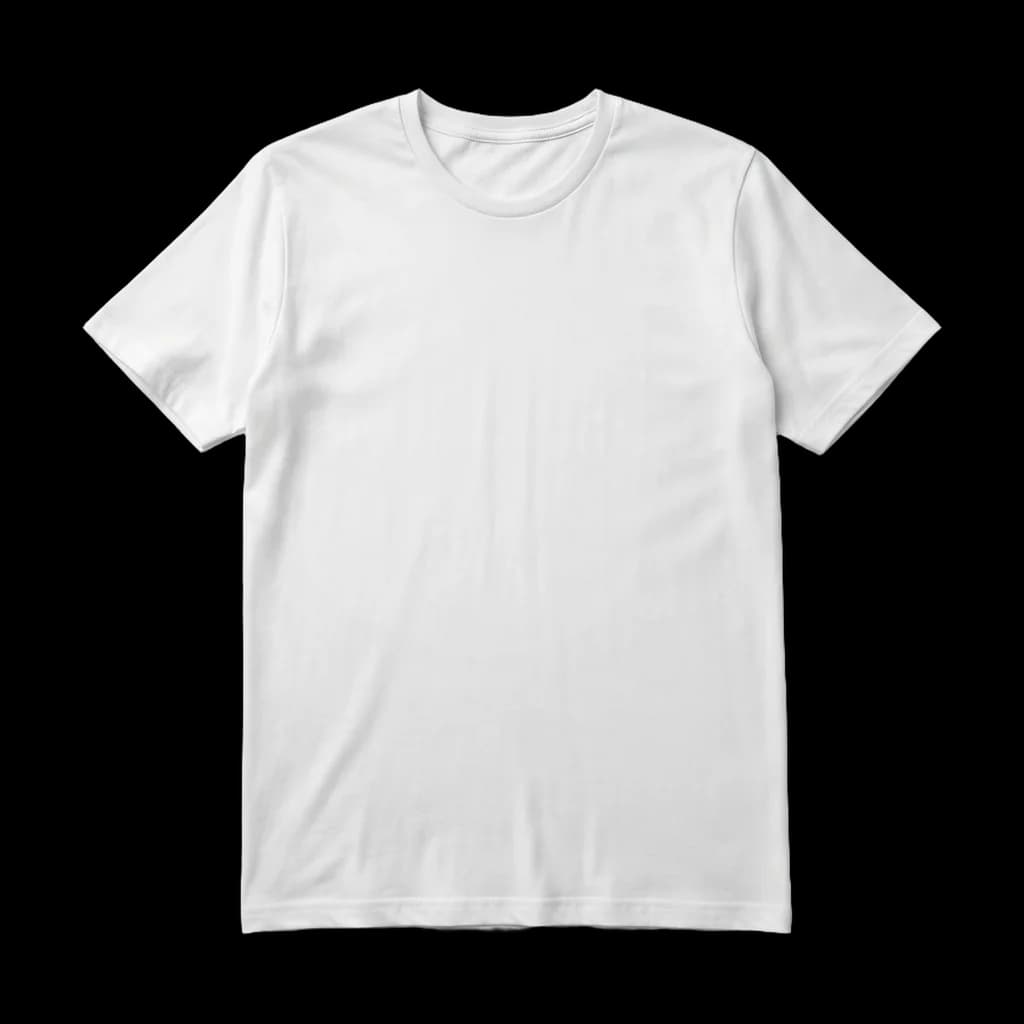
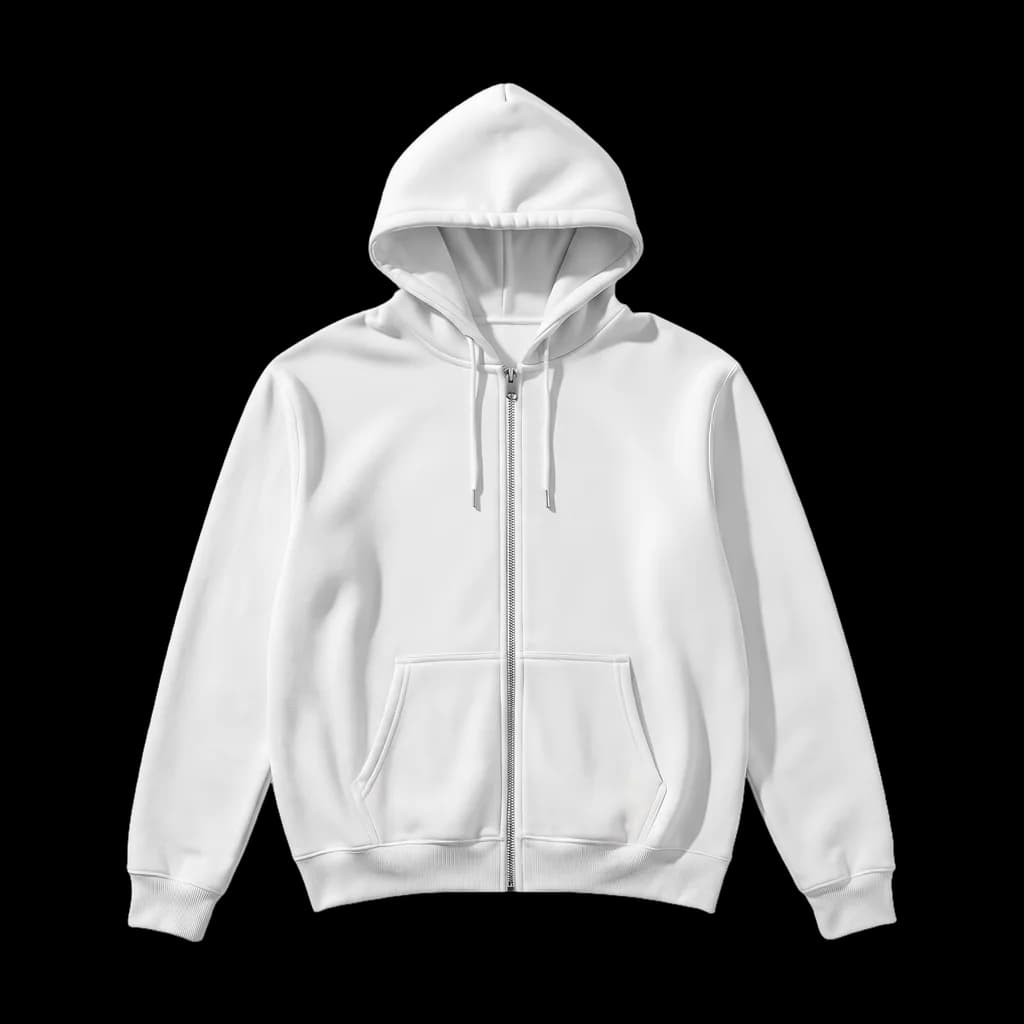
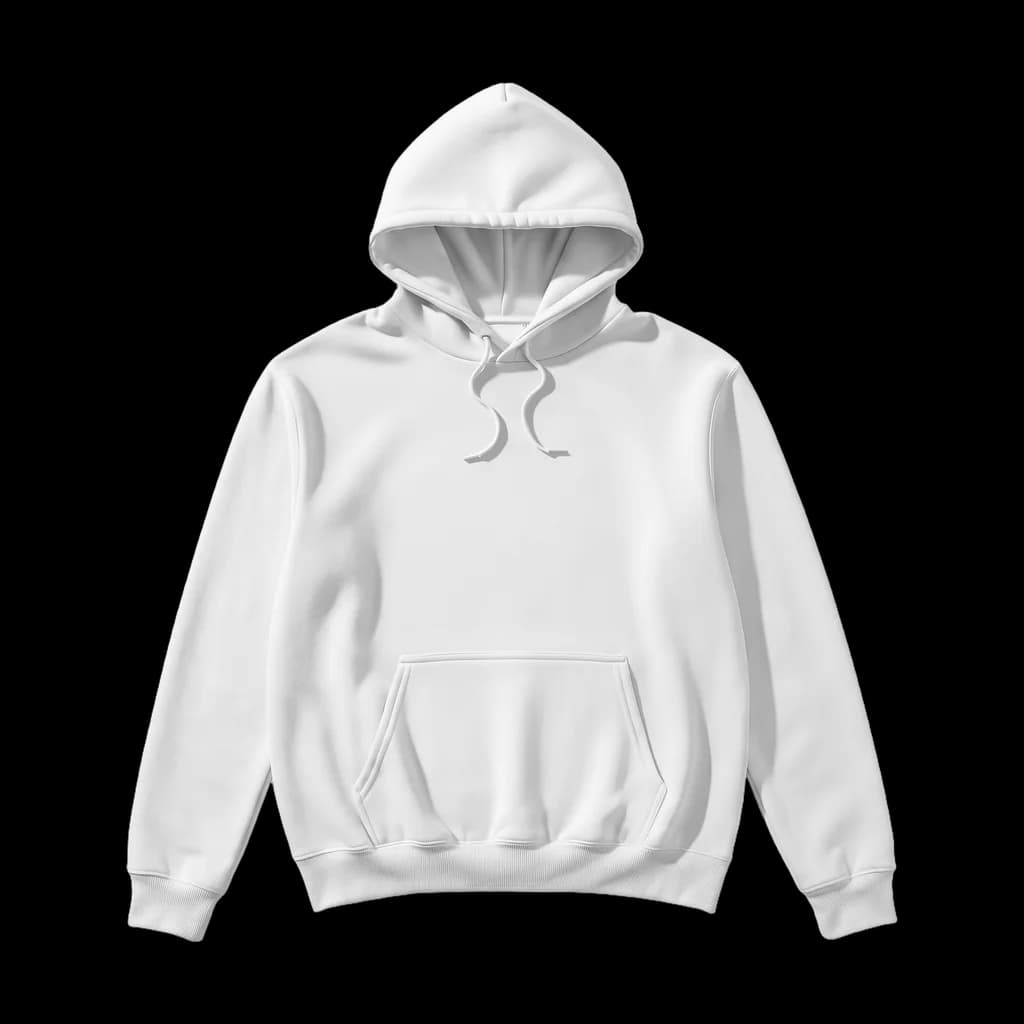
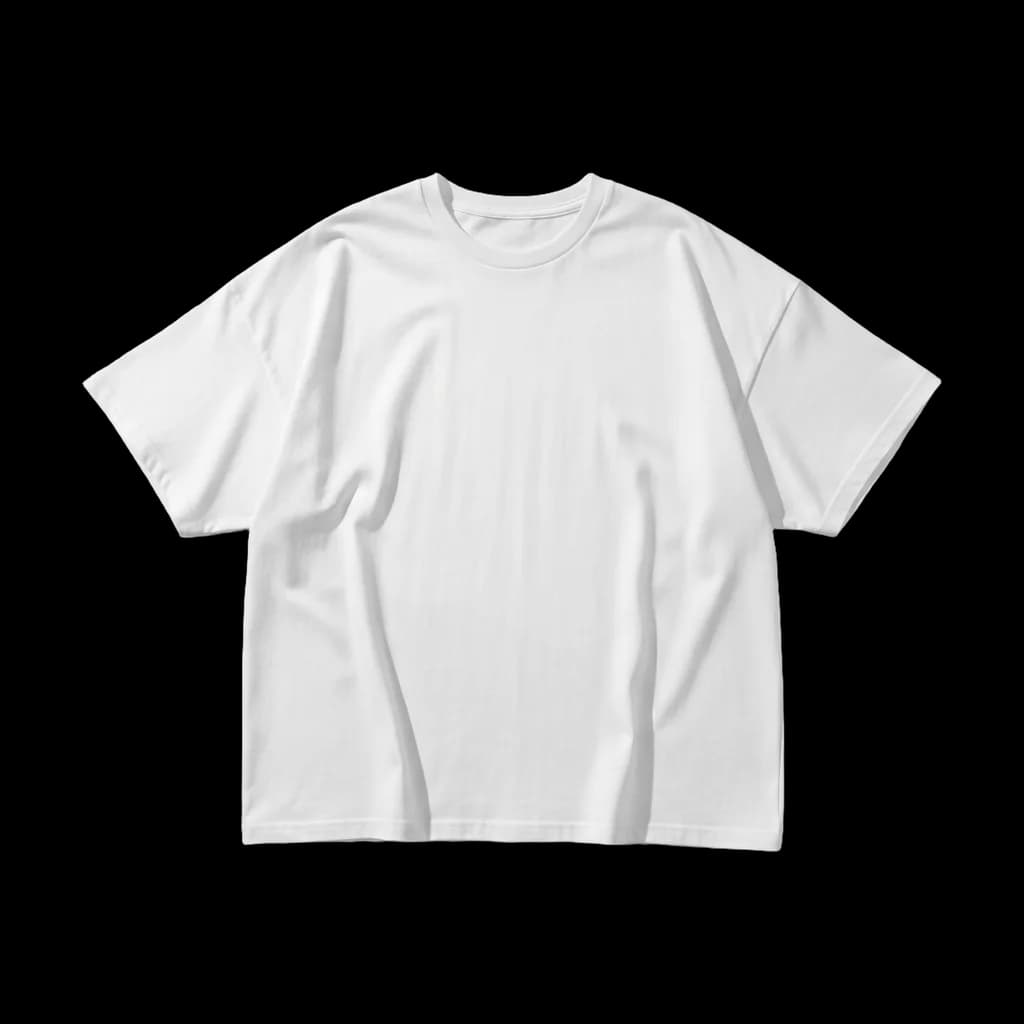
DTG printing experts
We are DTG printing specialists in Pakistan, working on custom t-shirts, hoodies and more for businesses, teams and brands. We produce high-quality prints with vibrant colour and fine detail, fast turnarounds, and a low minimum order.
Our team gives straight advice on whether DTG is genuinely the right method for your artwork and fabric — and will tell you when it is not. We help businesses, startups and individuals put a real garment behind their brand.
Frequently asked questions
- What is the minimum order quantity (MOQ) for DTG printing?
- Our minimum order requirement is 50 pieces, making it ideal for larger projects and bulk orders. This ensures you have the flexibility to bring your creative ideas to life without limitations.
- How long will the print last?
- Our prints outlast the garment when you care for them properly. We recommend washing in cold water, turning the garment inside out, line drying, and avoiding bleach.
- How long will it take to complete my order?
- We can move as fast as 7–10 days on a straightforward run. More involved work — cut-and-sew from scratch, several decoration methods, or bespoke fabric — usually runs 10–14 working days. You are told which at quote stage, not afterwards. Delivery time on top depends on your location.
- Can I order a sample before ordering bulk?
- We will produce a sample free of charge with any production order. Free pre-production samples cannot be created until we have received the production order deposit. If you would like a sample before placing a production order, we can accommodate that — but we will have to charge for the sample.
- What is the pricing for DTG printing services?
- Pricing depends on the size and complexity of the artwork, the number of pieces, and the garment. Send us your artwork and quantities through the quote form and we will come back with an exact figure.
Start your DTG printing order
Send us your artwork and quantities. We will come back with an exact price — usually within 24 hours.
Get a quote